
English| EUR
Suggested for you
More currencies
Choose a language
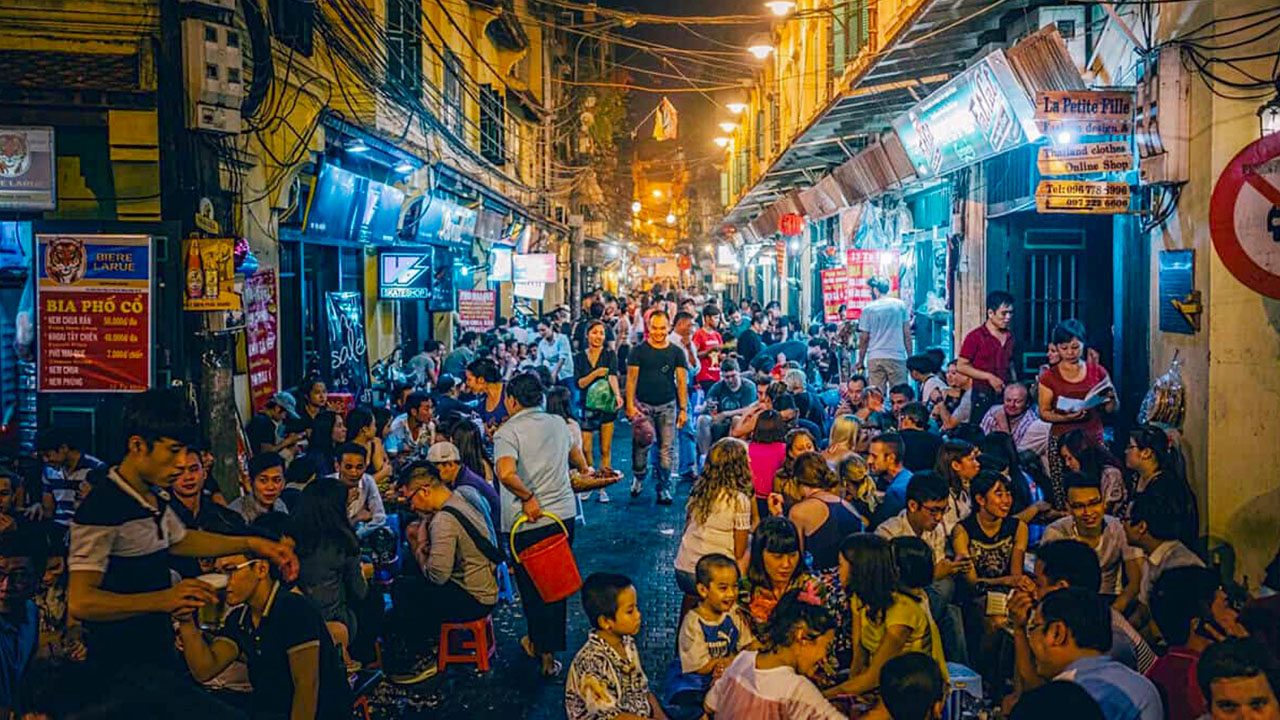
Hanoi's Old Quarter hums with vendors grilling, steaming, and ladling from dusk until late. Commercial street food tours offer guided walks through these lanes, and prices vary by group size, duration, and the number of tastings included. This page breaks down what you'll pay and what that buys.
Quick answer
Most tours include a local guide, all food and non-alcoholic drinks, and insurance. Booking directly with operators often yields lower rates than reseller platforms.
Street food tours in Hanoi are commercial guided experiences, not a single ticketed attraction. Dozens of operators run evening walks through the Old Quarter, and hanoi street food tour prices depend on whether you join a group or book privately, how many stops the itinerary includes, and what extras the operator bundles in. Group tours—typically eight to twelve participants—are the most economical option. Most three-hour walks departing between 5 p.m. and 6 p.m. The route usually covers pho, bun cha, banh mi, egg coffee, and a dessert like che or banh ran. Guides narrate cooking techniques, ingredient sourcing, and the social rituals around each dish. Transport is on foot, with occasional pauses on plastic stools at sidewalk kitchens. Private tours offer flexible departure times, custom itineraries, and a faster pace. Private bookings let you skip dishes you dislike, linger at stalls you enjoy, and accommodate dietary restrictions more easily than group departures allow. If you want to explore beyond the Old Quarter—into Tay Ho for banh tom or across Long Bien Bridge for late-night com hen—private guides accommodate those requests for an additional distance-based fee. What's included matters as much as the headline price. Most reputable operators cover all tastings, bottled water, wet wipes, and third-party liability insurance. A few budget options quote lower rates but exclude certain dishes or cap the number of items per person, leaving you to pay cash at some stalls. Always confirm the inclusion list before booking. Operators who maintain their own booking sites typically charge 10 to 15 percent less than listings on aggregator platforms, because they avoid the commission. Prices across the Old Quarter food tour sector have held steady since late 2024, and most operators honor posted rates year-round without peak-season surcharges. Group tours fill quickly during the cooler months of October through March, so booking three to five days ahead is prudent. Understanding hanoi street food tour prices helps you match your budget to the experience you want. Group walks deliver the essentials at the lowest cost. Private tours trade economy for control. Either way, the food itself—grilled over charcoal, rolled by hand, served on chipped porcelain—is the same food Hanoians eat every evening, and the price of the tour is the price of having someone fluent explain it all while you taste.
“The food itself is the same food Hanoians eat every evening, and the price of the tour is the price of having someone fluent explain it all while you taste.”
Street food exploration in Hanoi involves no public entrance fees, as costs are associated with commercial tour services rather than site admission. Prices for these services are set independently by private operators.
The best arrival window for a street food tour is 17:00–20:00. During these evening hours, most street food vendors in the Old Quarter are most active and fully stocked, providing the most complete selection of dishes.
Mild, 20°C–25°C. Pleasant conditions for walking between stalls.
Cool, 22°C–27°C. Ideal temperatures for outdoor dining.
Hot and humid, 28°C–35°C. Expect occasional heavy rain showers.
Chilly, 14°C–20°C. Cooler weather is comfortable for hot noodle soups.
Verdict: Plan your tour for the 17:00–20:00 arrival window during the milder months of March, April, October, or November.
Select your street food tour with attention to group size and specific dietary transparency to ensure a focused experience in the Old Quarter.
Choose tours that cap participants at eight people to ensure better access to narrow sidewalk stalls and closer interaction with your guide.
Confirm if the operator can accommodate allergies or vegetarian requirements before booking, as many traditional dishes rely on fish sauce or pork-based broths.
Verify that the itinerary includes diverse offerings like Bun Cha, Banh Mi, and Egg Coffee rather than repetitive snacks.
Carry small denominations of Vietnamese Dong, as even if the tour is prepaid, you may want to purchase extra beverages or small items from vendors directly.
Prioritize tours where guides explain the history and preparation methods of the dishes, which provides context to the culinary environment in the Old Quarter.
Everything you need to know about hanoi street food tour prices
When researching hanoi street food tour prices, travelers should remember that these are commercial services provided by private operators. The cost typically covers a professional guide, curated food tastings, and logistics through the city. Since there is no single public entry fee, vendors operate independently across the capital.
While hanoi street food tour prices generally cover the cost of samples, personal drinks or additional purchases at local stalls are usually not included. It is helpful to clarify what is covered before booking your experience. Most operators clearly define the scope of their culinary programs online.
Most hanoi street food tour prices remain stable throughout the year, regardless of the seasonal shifts in Hanoi. You will find that demand is consistent, though booking in advance is recommended during peak travel times. The cost of a guided excursion reflects the local expertise and logistical support provided.
The best way to evaluate hanoi street food tour prices is to compare reputable operators who provide transparent descriptions of their itineraries. Look for reviews from the past year to ensure you are getting current information. Always verify if the service includes a private or small-group setting before finalizing your choice.
Tipping is not strictly required but is appreciated if you feel your guide provided exceptional insight into the local culture. Most participants choose to offer a small gratuity to their guide at the end of the excursion. Vendors do not expect tips for standard food transactions.